
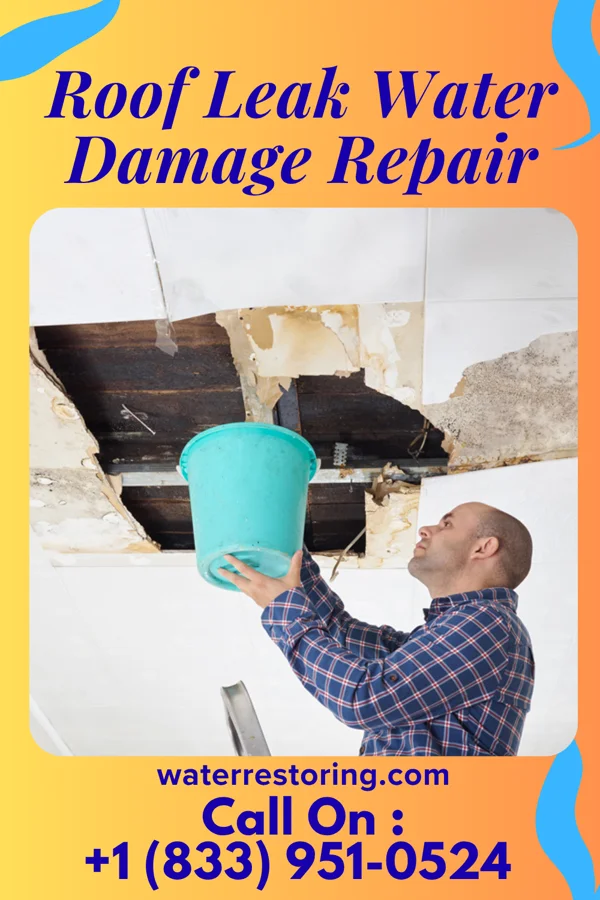
Why Roof Leaks Hit Iroquois Hard
The pattern in Iroquois is consistent. Iroquois, Illinois experiences frequent thunderstorms and heavy rainfall, especially during the late spring and early summer months. These storms can lead to sudden roof leaks, particularly in older homes with inadequate drainage systems. The region's flat terrain and rural setting can exacerbate water pooling around properties. drives most of the emergency restoration calls we get. A close second is In the fall, Iroquois is prone to strong winds and sudden temperature drops, which can cause shingles to lift or become damaged. This, combined with lingering rain, increases the risk of water infiltration through roofing materials. Winter snowmelt can also contribute to prolonged moisture issues..
The climate in Iroquois, with its combination of heavy rainfall, strong winds, and temperature fluctuations, contributes to common roofing issues such as shingle granule loss, flashing damage, and gutter overflow. These factors can lead to significant water damage if not addressed promptly.
The climate in Iroquois, with its combination of heavy rainfall, strong winds, and temperature fluctuations, contributes to common roofing issues such as shingle granule loss, flashing damage, and gutter overflow. These factors can lead to significant water damage if not addressed promptly. The dominant local driver is Iroquois, Illinois experiences frequent thunderstorms and heavy rainfall, especially during the late spring and early summer months. These storms can lead to sudden roof leaks, particularly in older homes with inadequate drainage systems. The region's flat terrain and rural setting can exacerbate water pooling around properties., with In the fall, Iroquois is prone to strong winds and sudden temperature drops, which can cause shingles to lift or become damaged. This, combined with lingering rain, increases the risk of water infiltration through roofing materials. Winter snowmelt can also contribute to prolonged moisture issues. showing up as the next most common cause. Damage builds in stages. Spread. Absorption. Microbial growth. Structural compromise. Every stage you pass through adds to the final bill.
For public guidance on the health effects of mold after prolonged water exposure, see the EPA mold and health page.